Technology Development
Developing scalable single-cell and spatial technologies for simultaneous measurement of epigenetic, transcriptional and genomic information.
Research
Developing scalable single-cell and spatial technologies for simultaneous measurement of epigenetic, transcriptional and genomic information.
Understanding how chromatin state, DNA methylation and regulatory interactions prime and control cellular differentiation.
Applying multimodal genomics to understand regulatory mechanisms underlying aging, cancer and other human diseases.
Lab News
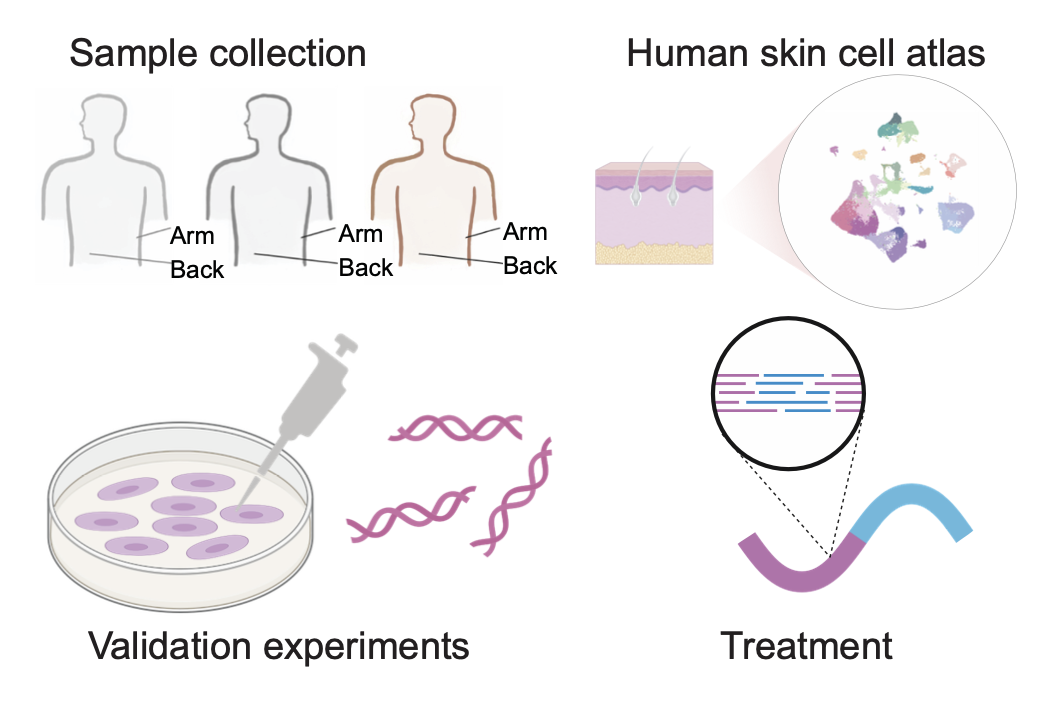
Our study showing that ATF3 mRNA can rejuvenate human skin has been accepted in Nature. Congratulations to the whole team!
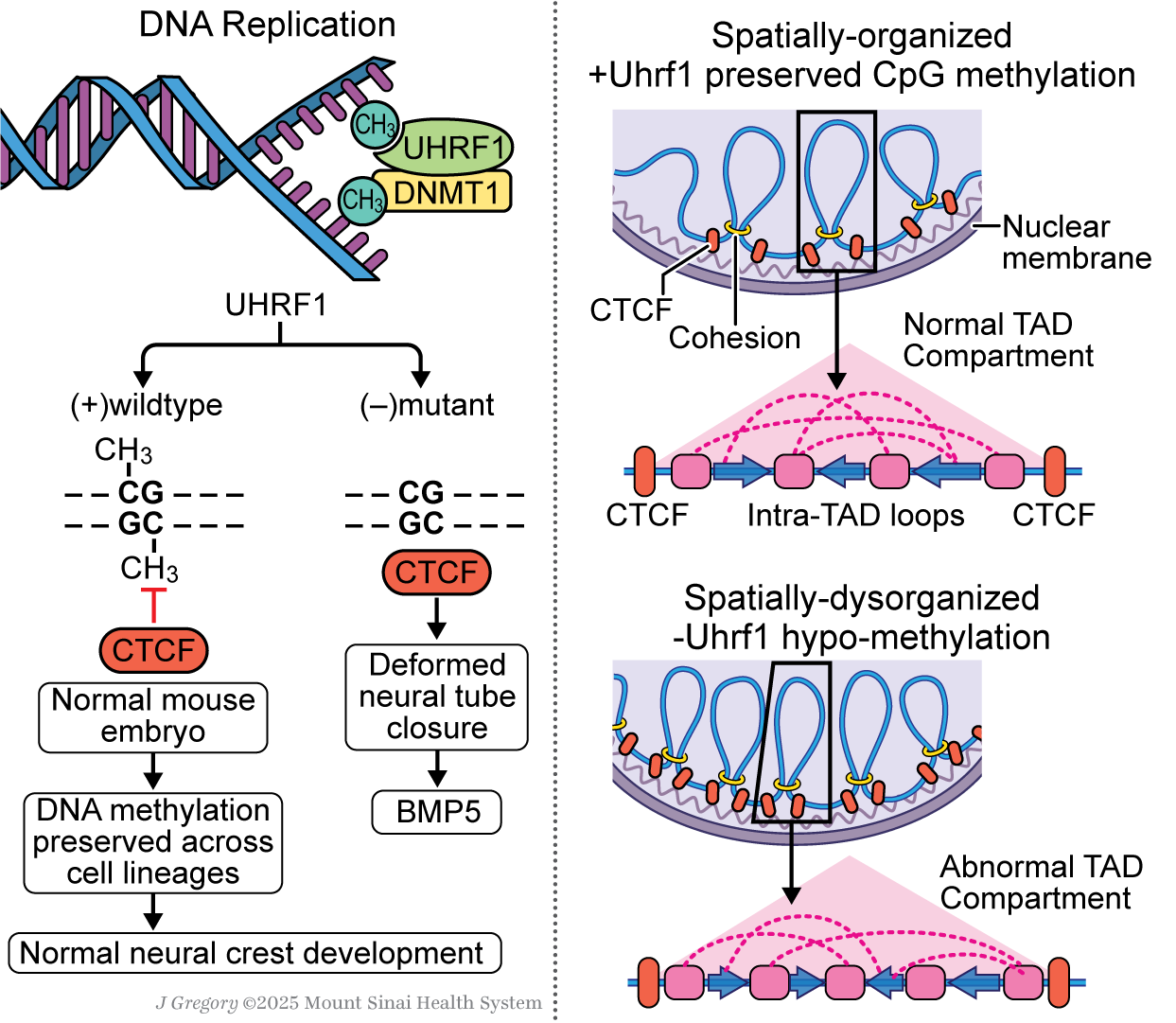
Exciting news! Our study on UHRF1 and 3D genome organization during early mouse embryogenesis has been accepted in principle at Nature Communications. Congratulations to the whole team!
Excited to share our new preprint introducing ChromE-seq, a scalable technology for jointly profiling 3D chromatin architecture and gene expression in single cells! Led by Leon Liao and Brian Soong, our study reveals how trisomy 21 disrupts chromatin organization and B-cell development in human fetal liver, identifying a critical regulatory loop at EBF1 validated by CRISPR perturbation. Congratulations to the entire team!
Congratulations to our collaborators and co-authors on the acceptance of our study, “Rational Design in Materials and Pharmacokinetics for Effective Brain Genome Editing,” in Cell Biomaterials! This work explores strategies to improve the delivery and effectiveness of genome editing in the brain.
Congratulations to Leon Liao on developing a detailed, step-by-step ChromE-seq protocol for jointly profiling chromatin interactions and gene expression in single cells at scale!
Exciting news! The Ma Lab is part of a large multidisciplinary team awarded more than $60 million to study Health Effects of an Exposure (HEE). The program brings together expertise in clinical research, advanced imaging, single-cell multi-omics, biomarker discovery, and AI/ML to better understand the biological basis of HEE.
Leon Liao received a travel award and was selected to present his work in a talk at the MC2 Consortium Annual Meeting. Congratulations, Leon!
Congratulations to Brian Soong on being selected for a plenary presentation at ACR Convergence 2026! He will present “Clonal hematopoiesis orchestrates Giant Cell Arteritis disease trajectory and immune landscape: a multicentric and multiomics approach."
Our new preprint, “Uhrf1 loss disrupts Ctcf-associated chromatin organization during early mouse embryogenesis,” is now available online. This study shows how UHRF1 coordinates DNA methylation, chromatin architecture, and lineage stabilization during early embryonic development leveraging ME-seq.
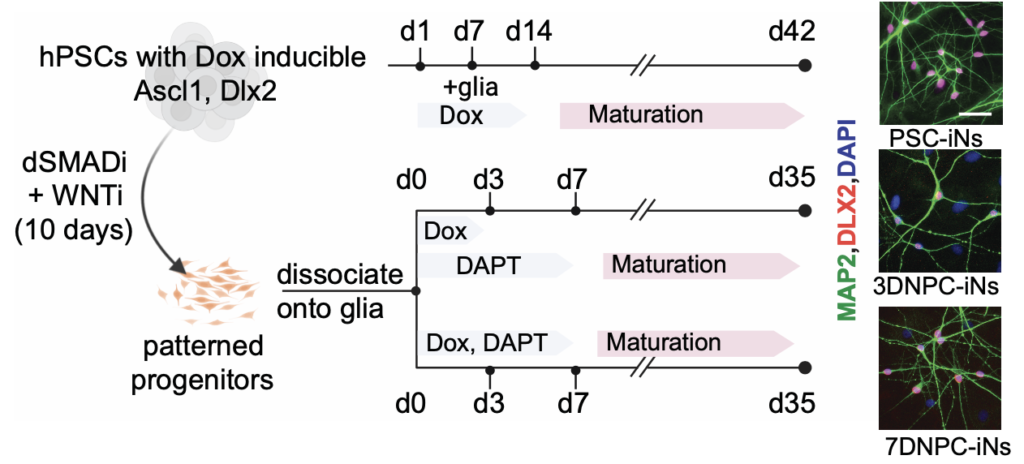
We’re excited to share that our collaborative paper with Dr. Nan Yang’s team has been accepted in Stem Cell Reports! In this study, we developed a new strategy to efficiently induce GABAergic neurons for improved disease modeling and leveraged single-cell profiling to characterize their cellular heterogeneity and developmental states. Congratulations to the entire team on this collaborative effort!
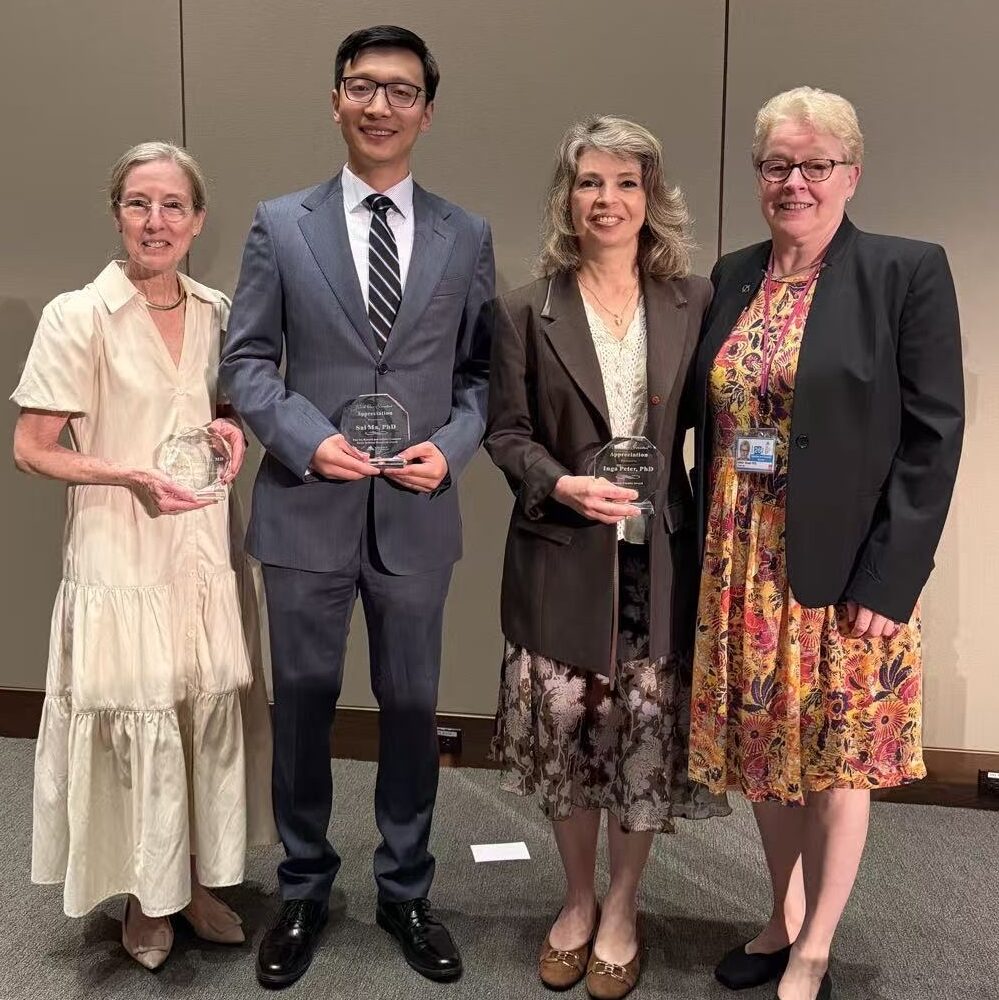
Dr. Ma is awarded the Dr. Harold and Golden Lamport Research Award from Mount Sinai! This recognition supports the lab’s ongoing work in developing single-cell and spatial multi-omic technologies to study gene regulation in development, aging, and disease.
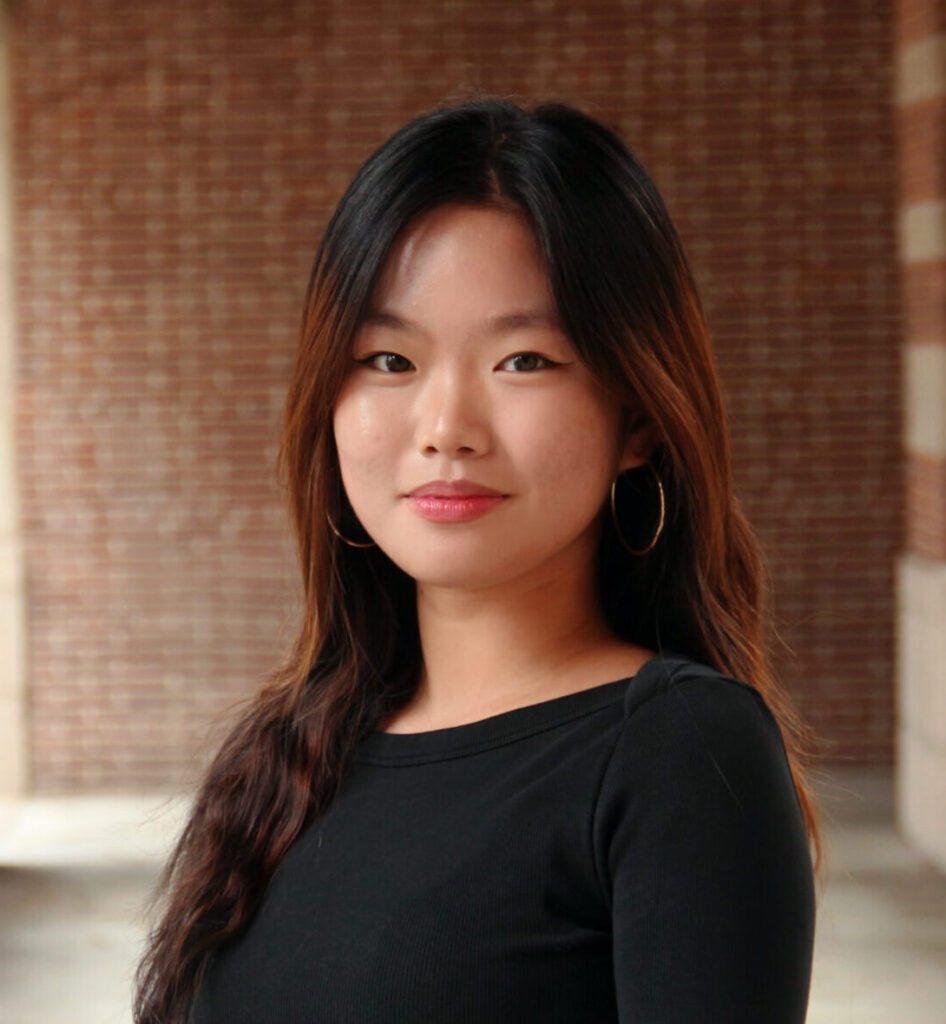
Welcome, Shanell Zou, who joins us as a summer intern. We hope you have a wonderful and productive summer with us!
Together with Dr. Jun Wang’s group at Stony Brook, we are awarded an R21 by NIA!
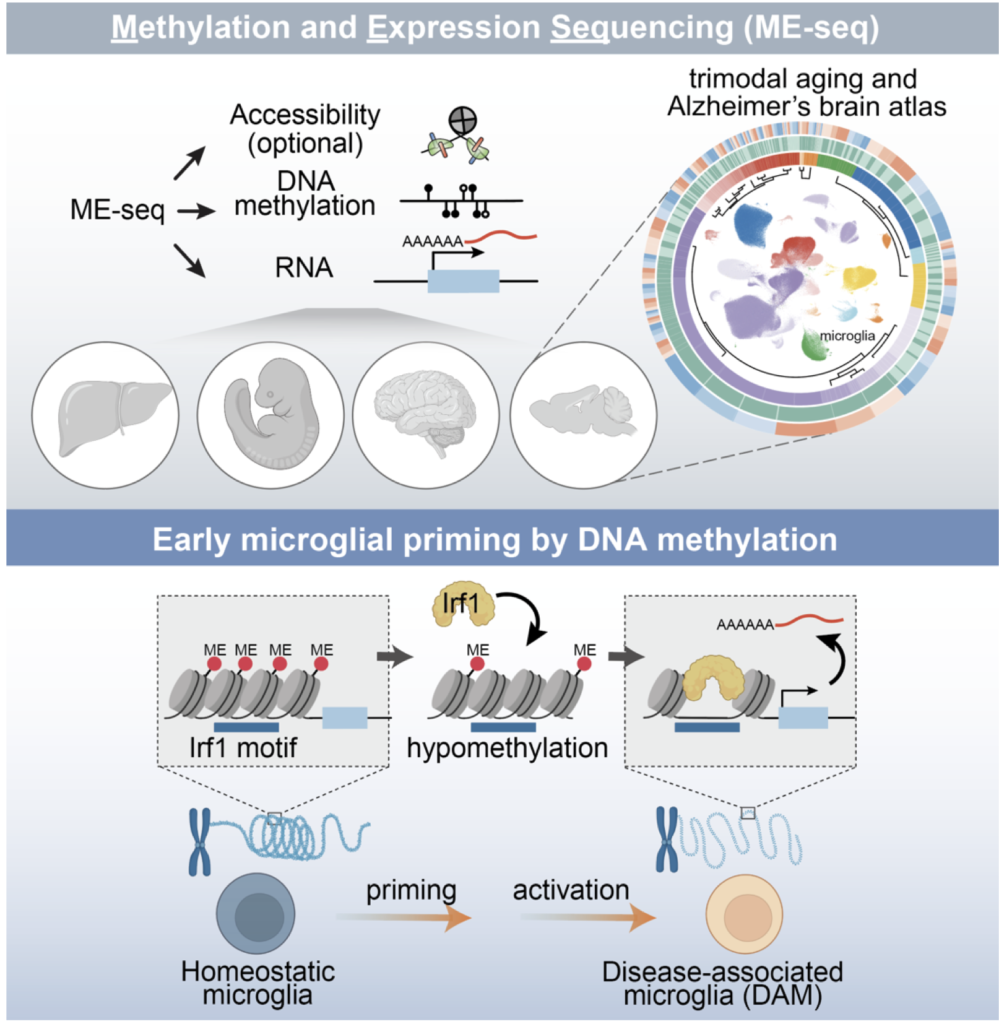
Congratulations to Bohan and team for putting together this exciting work! We engineered ME-seq for ultra-high throughput single-cell DNA methylation & RNA co-mapping and identified methylation-mediated priming in aging and Alzheimer’s brain!
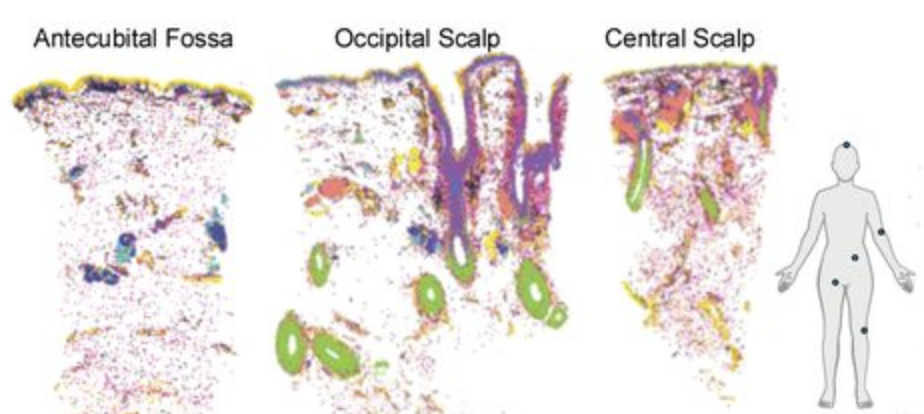
The spatial human skin atlas paper mapping multiple anatomic sites led by Dr. Andrew Ji’s group is now accepted in Nature Genetics!
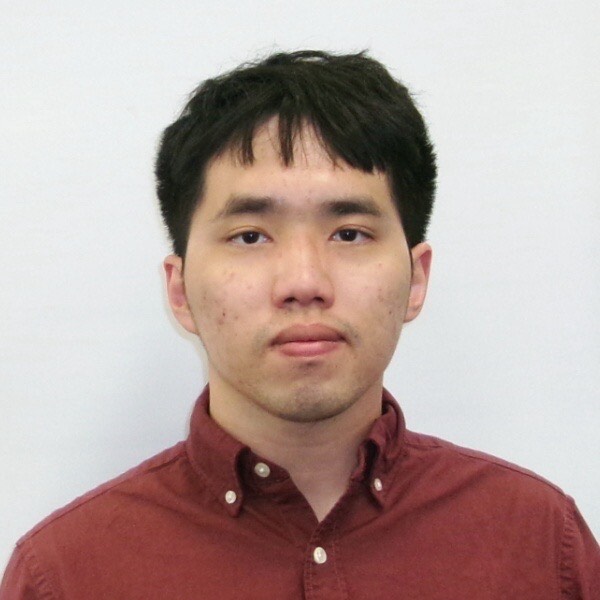
Welcome Dawei Tang, who is joining us as a master student to tackle brain functions!
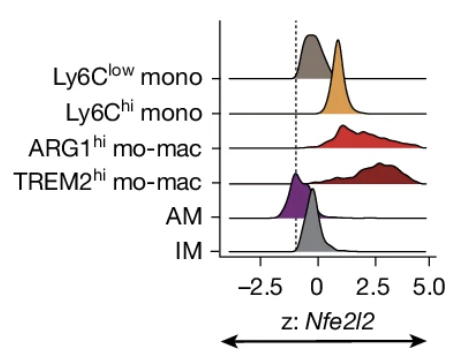
Our collaborative work with Dr. Miriam Merad’s group is now published in Nature! We show that lung tumours prime accessibility for Nfe2l2 (NRF2) in bone marrow myeloid progenitors, enhancing myelopoiesis while dampening interferon response and promoting immunosuppression.
We are excited to partner with Dr. Elvin Wagenblast’s group on an R21-funded project to address Down syndrome.
We just celebrated a major milestone—our first PhD student, Dr. Federico Di Tullio, has officially graduated from the lab! Congratulations, Fred! Wishing you all the best as you start your next chapter at UCSD.
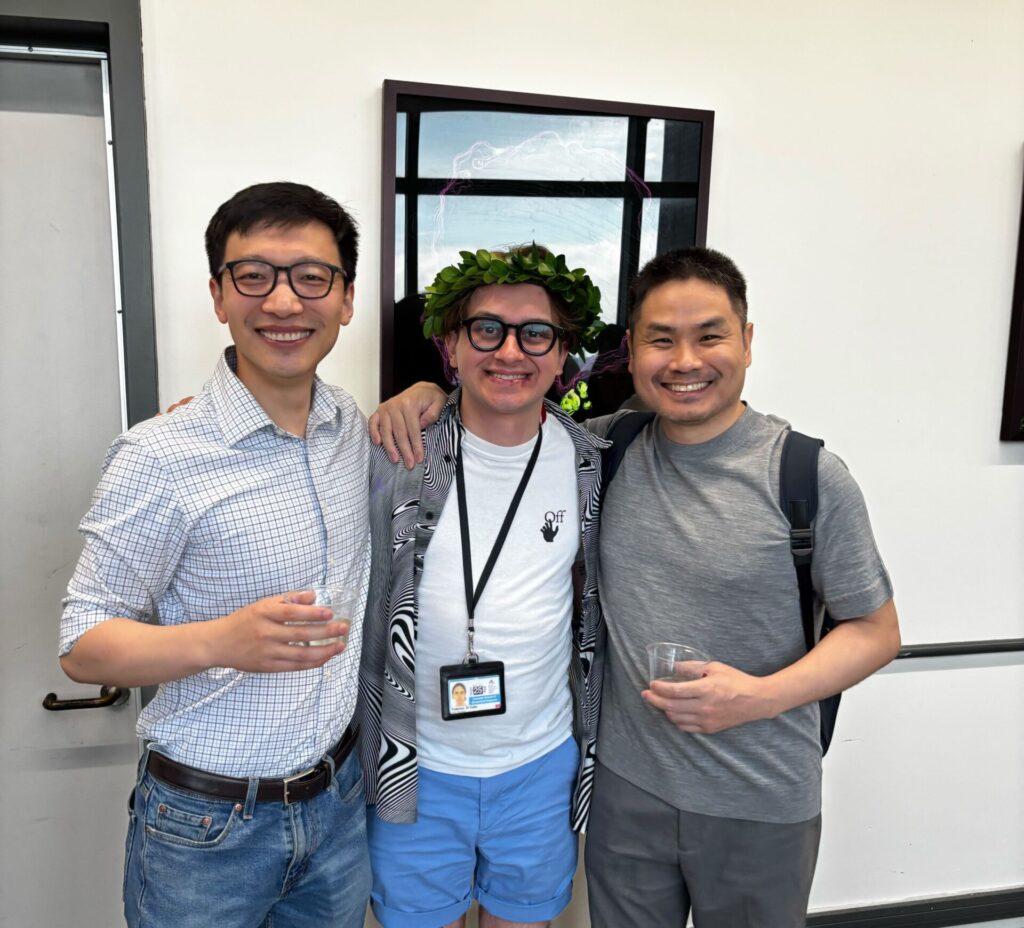
Welcome back Ashley Chan as a returning summer intern!
Huge congrats to Brian Soong on his NCI/NIH F30 award. Incredibly proud of you!
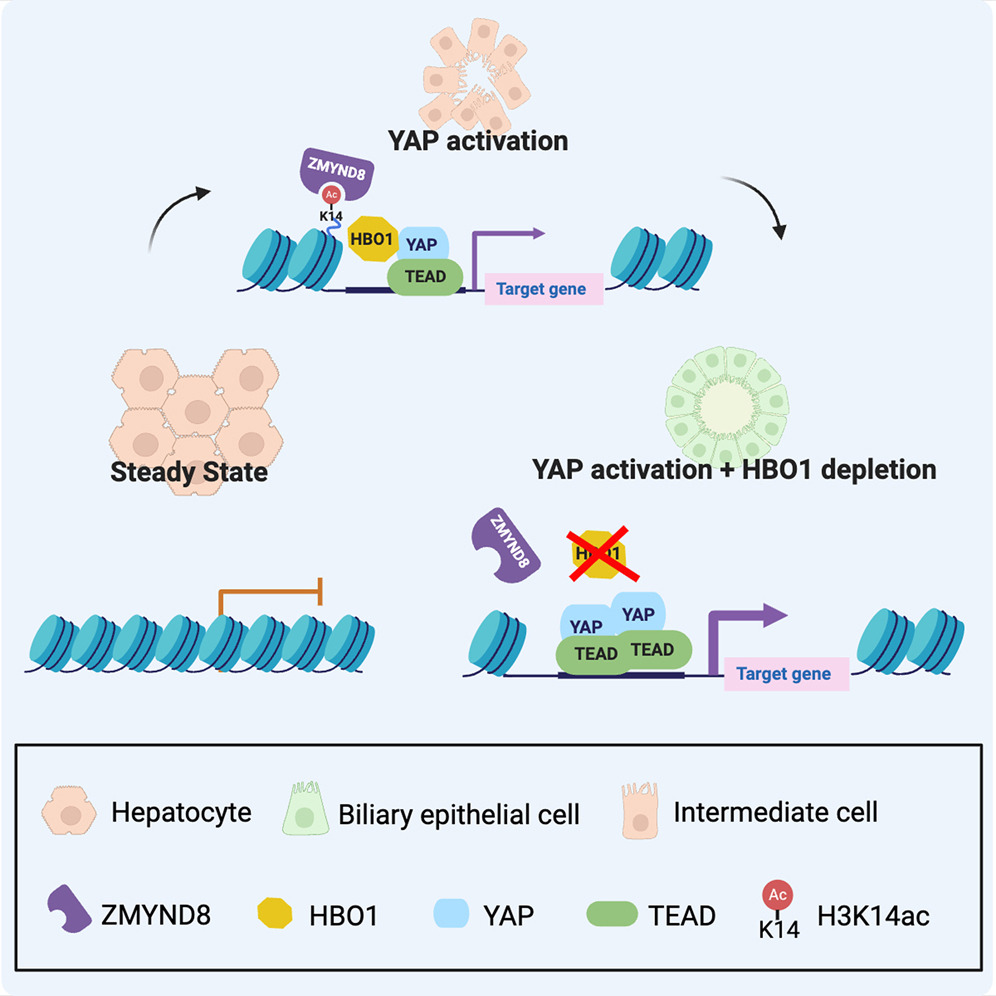
Our work with Wei-Chien Yuan, Fernando Camargo and my postdoc mentor Jason Buenrostro is published in Cell Stem Cell. We leveraged in vivo CRISPR screen and single-cell ATAC to identify HBO1 as a critical barrier to hepatocyte reprogramming.
Our previous intern Jiayi Li is accepted as a master student in computational biology at Harvard! Congratulations!
Our lab is now funded by NIH/NCI IMAT program to study AML!
Partnered with Herbert Wu, we are honored to be selected as 2025 FBI scholars!

With close collaborator Dr. Nan Yang’s team, we designed a new strategy to induce GABAergic neurons for better disease modeling and leveraged single-cell assays to probe the heterogeneity.
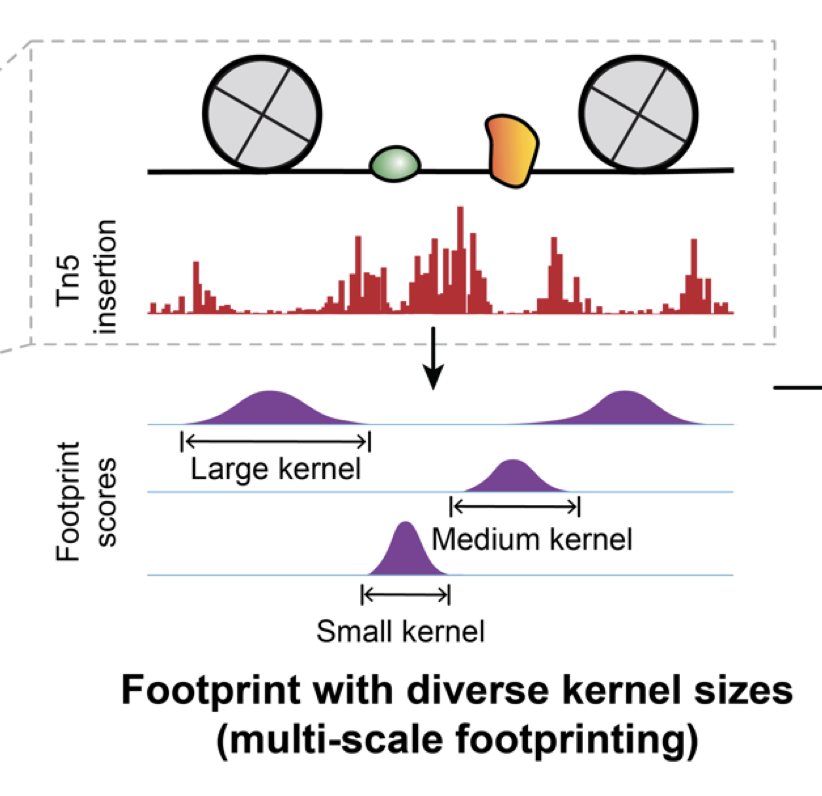
Our footprinting paper is accepted in Nature. We use machine learning to correct Tn5 insertion bias, enabling accurate prediction of TF binding in large-scale scATAC datasets.
Together with George Church’s Lab, we found a new TF ATF3 for rejuvenating human skin.
Teamed with Dr. Elvin Wagenblast, we are awarded by the Henry & Marilyn Taub Foundation for a pilot award.
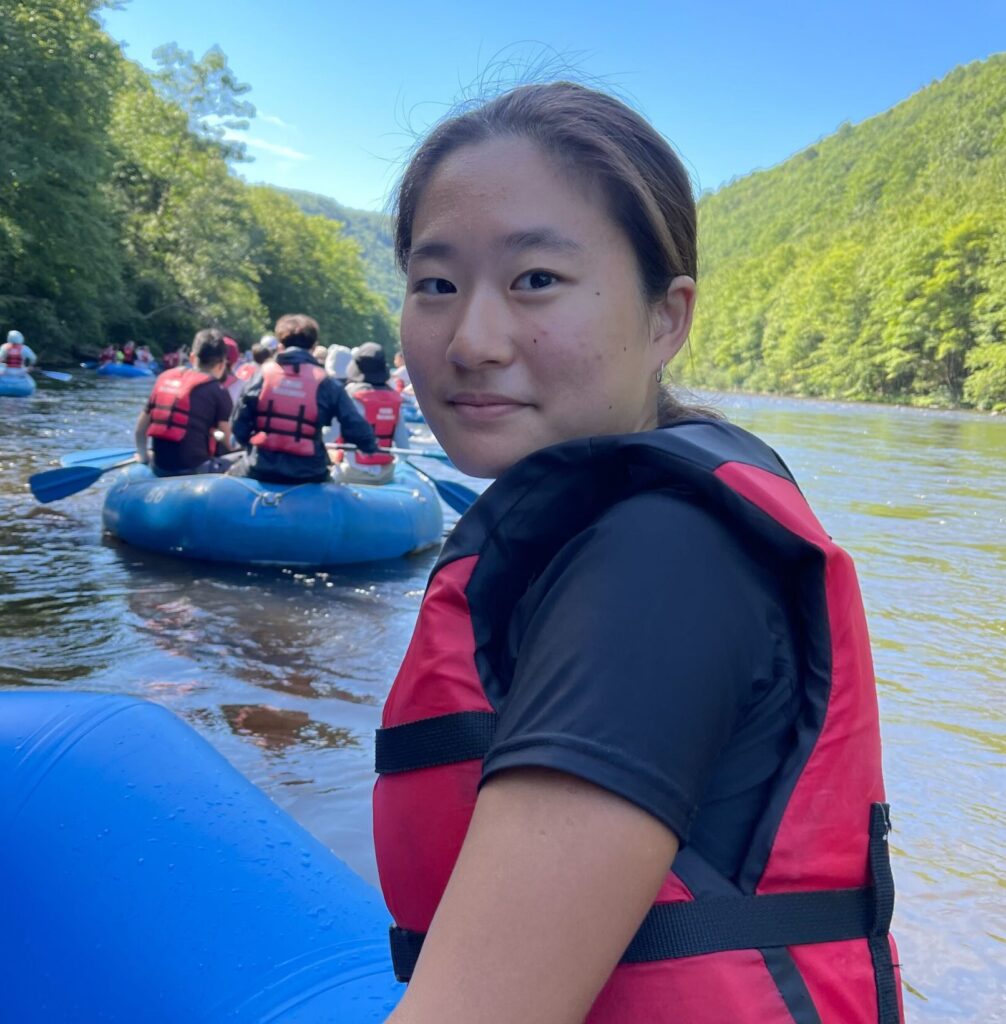
Welcome Isaiah Raghubar, Ashley Chan, Vicky Zheng, and Jiayi Li joining us as interns!
Congratulations to our previous intern, Hyeonseo Lee, got accepted into WUSTL as a pre-med student! Super proud of you!
We are awarded by Melanoma Research Alliance, together with Anne Bowcock, Elena Ezhkova and Jose Silva’s groups.
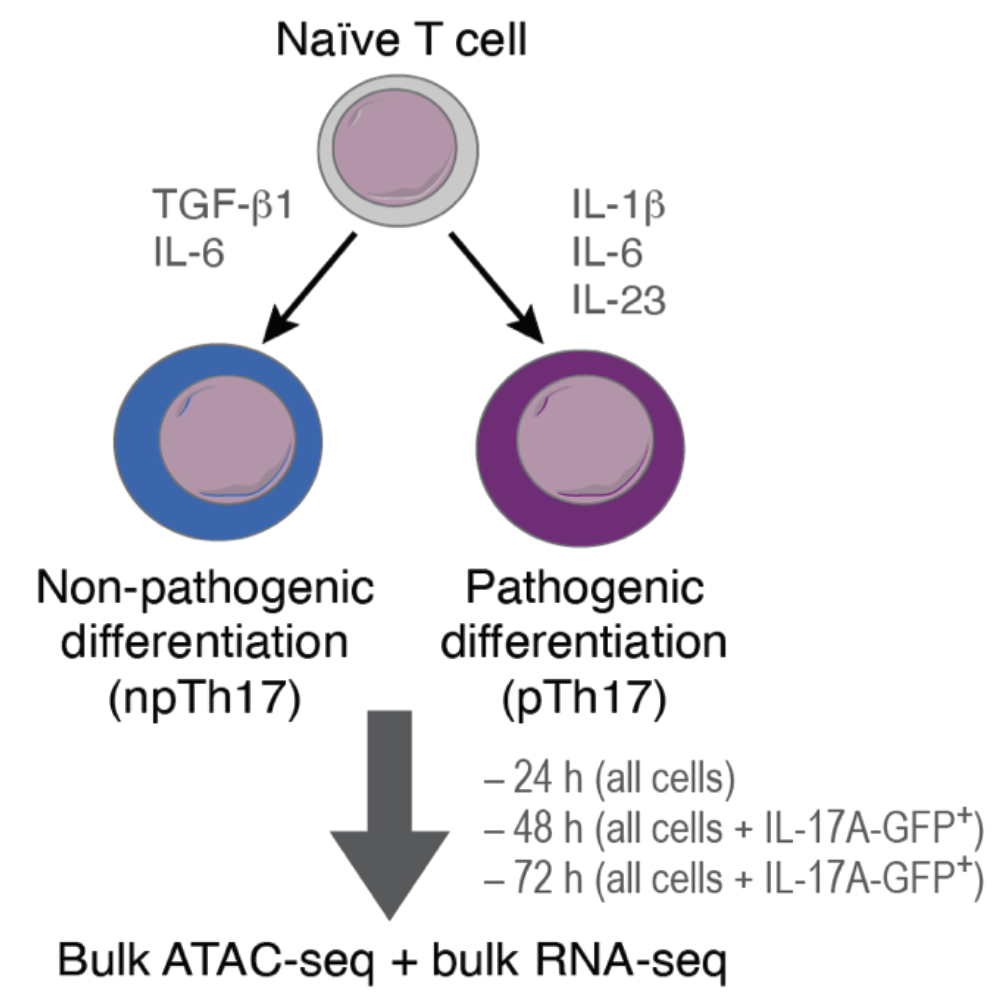
Our collaborative paper with Aviv Regev and Vijay K. Kuchroo on Th17-based autoimmunity is now accepted in Nature Immunology!
Welcome visiting PhD student Liying Wang join our lab!
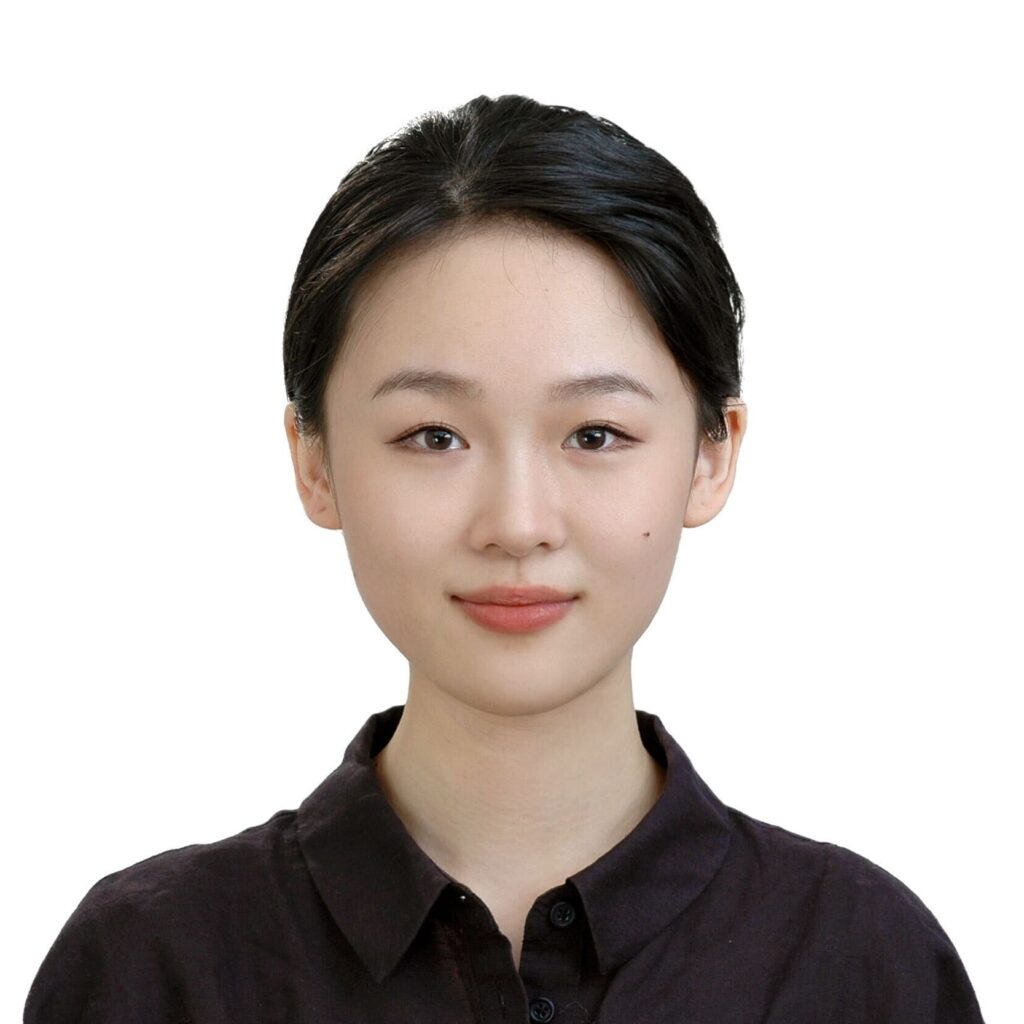
Welcome PhD student Lillian Chang to rotate in our lab.
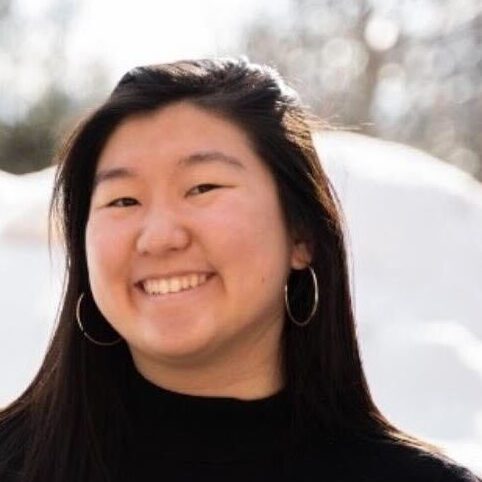
Welcome PhD student Arushi Samal to rotate in our lab.
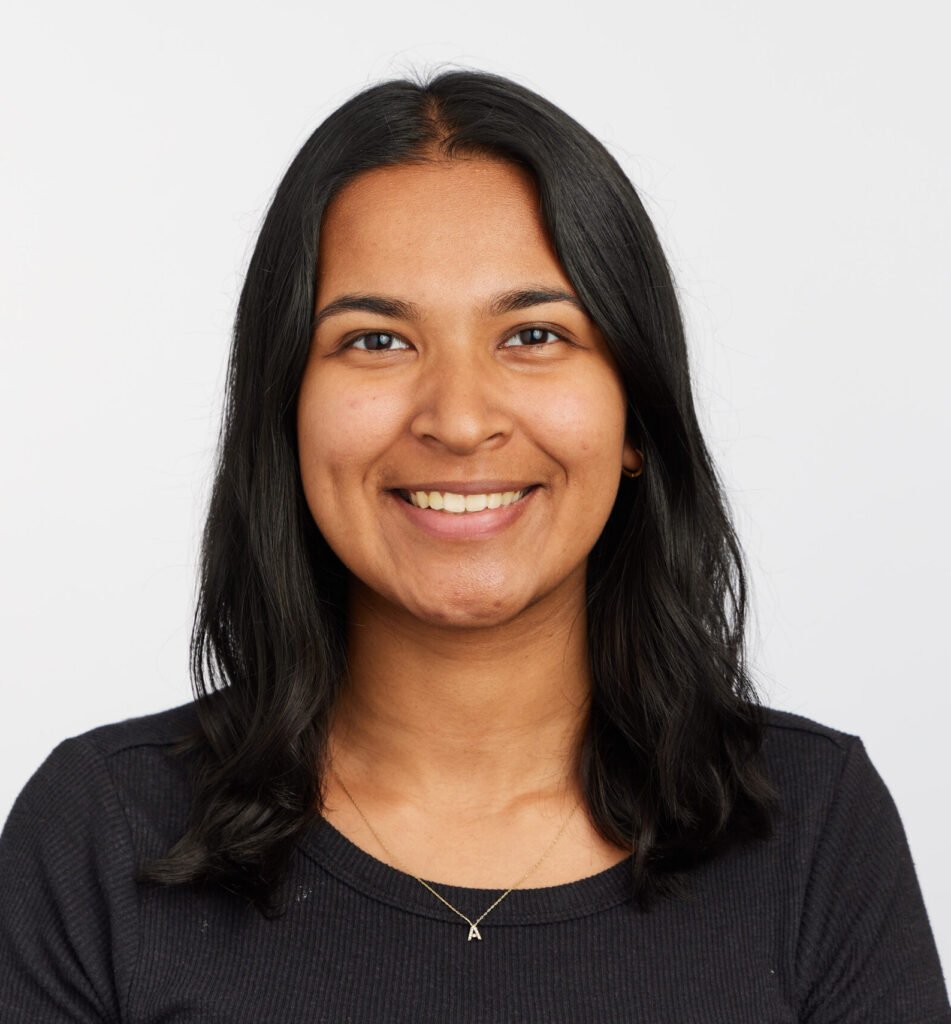
Welcome PhD student Nazifa Salsabeel to rotate in our lab.
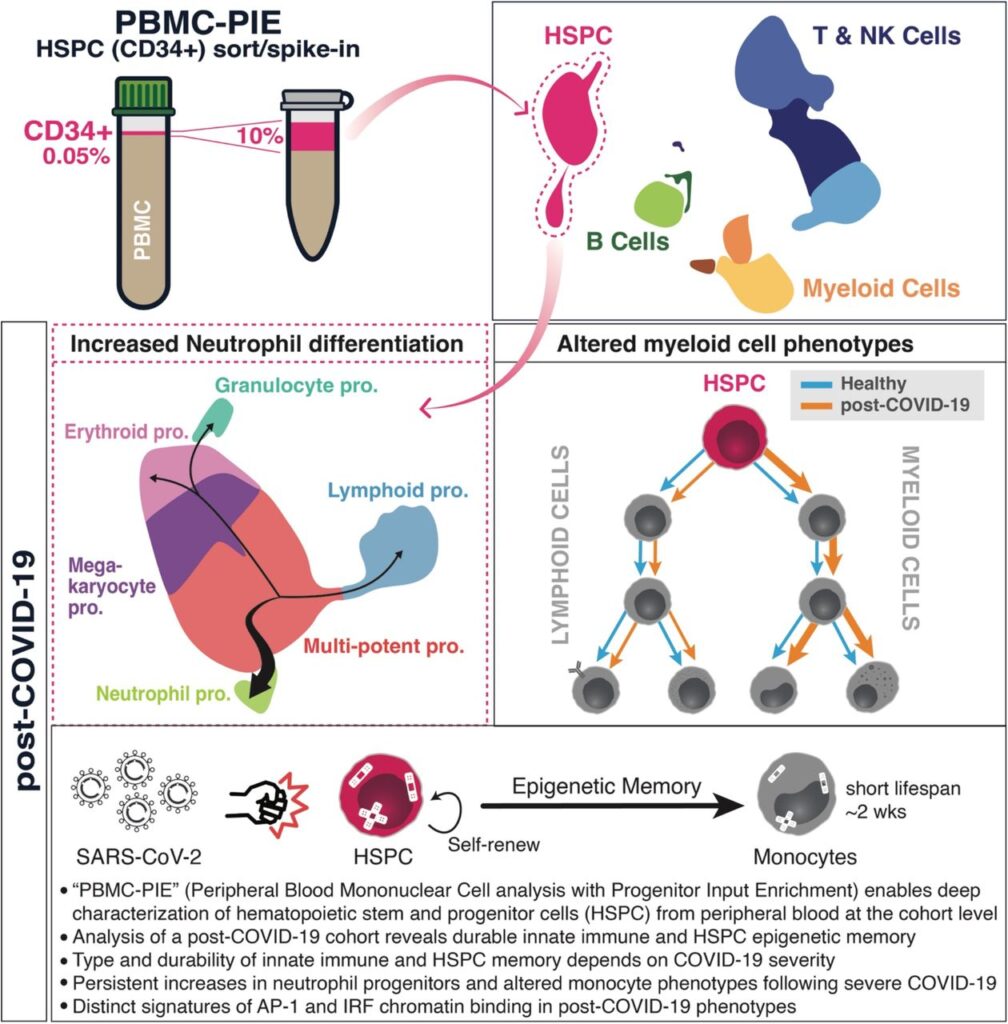
Our collaborative paper with Duygu Ucar lab and Steven Z. Josefowicz lab is now accepted in Cell. Transcriptomic and epigenomic analysis of blood reveal sustained changes in hematopoiesis and innate immunity after COVID-19.
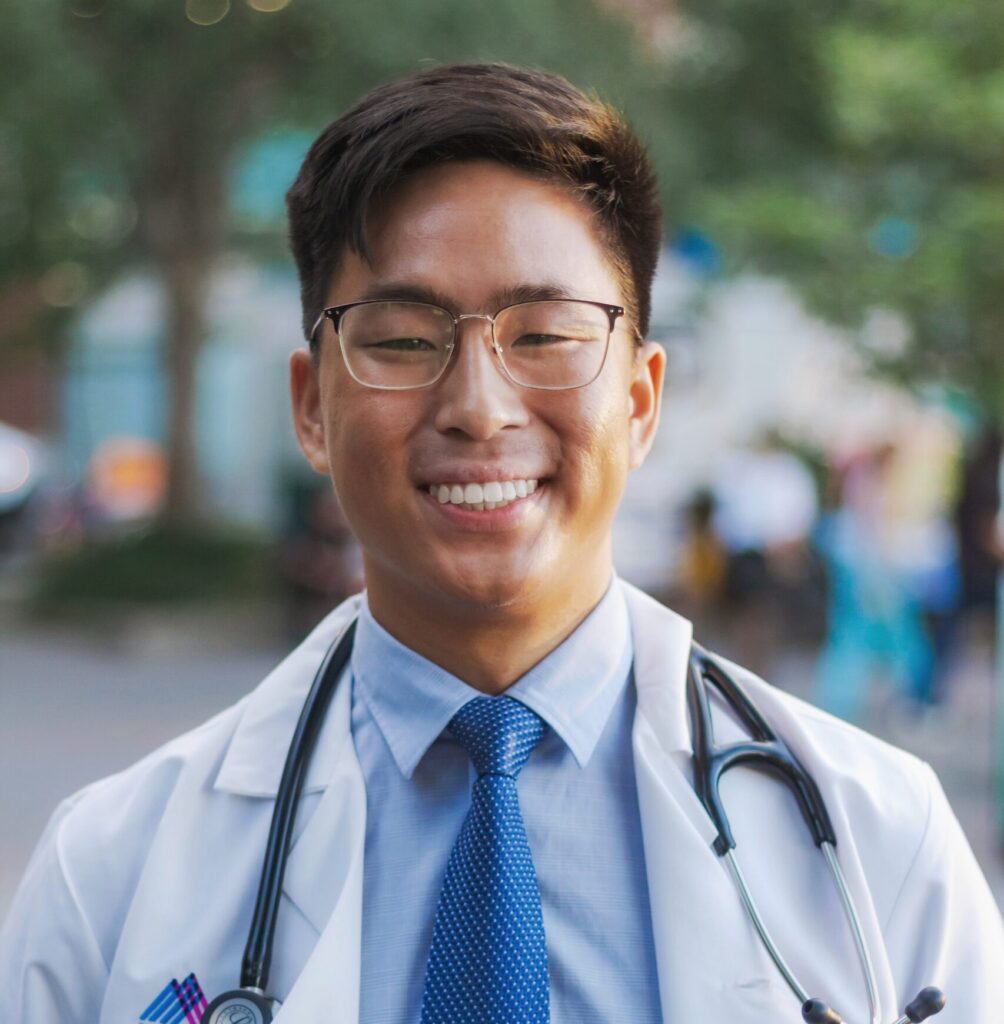
Brian Soong joins our lab as a MD/PhD student! He will be co-mentored by Miriam Merad to investigate the epigenetic clue in the immune environment.
Hyeonseo Lee joins our lab as a summer intern! Welcome!
Sai is now a member of the Tisch Cancer Institute (TCI) with the goal of advancing clinical breakthroughs that help prevent and eradicate cancer.
Welcome PhD student Federico Di Tullio joining our lab! He will work on liver injury model and be co-mentored with Dr. Tianliang Sun.
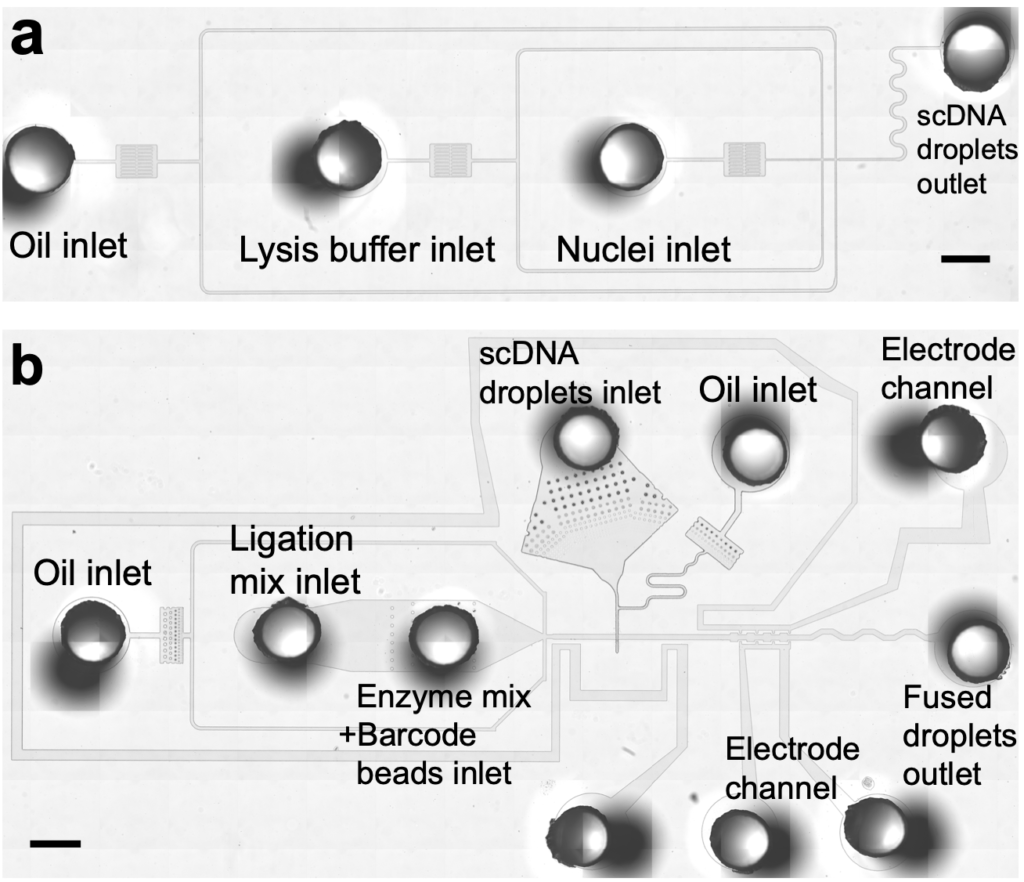
Our collaborative paper with Dr. Chang Lu at Virginia Tech is now accepted in Nature Communications. We demonstrate a droplet-based microfluidic technology, Drop-BS, to construct single-cell bisulfite sequencing libraries for DNA methylome profiling. Check out the paper!
Welcome PhD student, Zhicong (Leon) Liao, officially joined our lab!
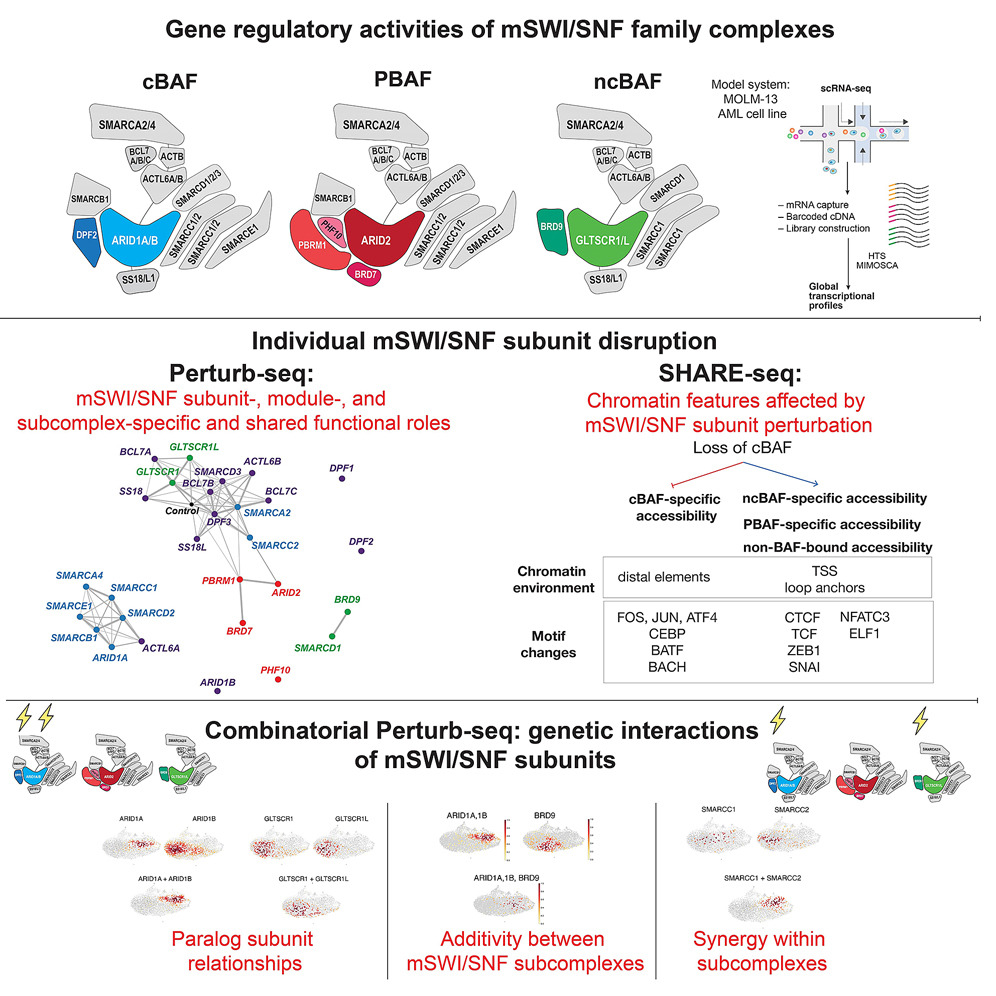
Our collaborative work with Cigall Kadoch’s group is now published in Molecular Cell! We leveraged CRISPR-Cas9 knockout screens to target mSWI/SNF subunits individually and in select combinations, followed by single-cell RNA-seq and multi-omic assay (perturb-SHARE-seq). These single-cell subunit perturbation signatures mapped across bulk primary human tumor expression profiles both mirror and predict cBAF loss-of-function status in cancer.
Our preprint is now on bioRxiv! We present a computational tool, PRINT, to predict chromatin binding proteins (TF & histone) from large-scale scATAC data.
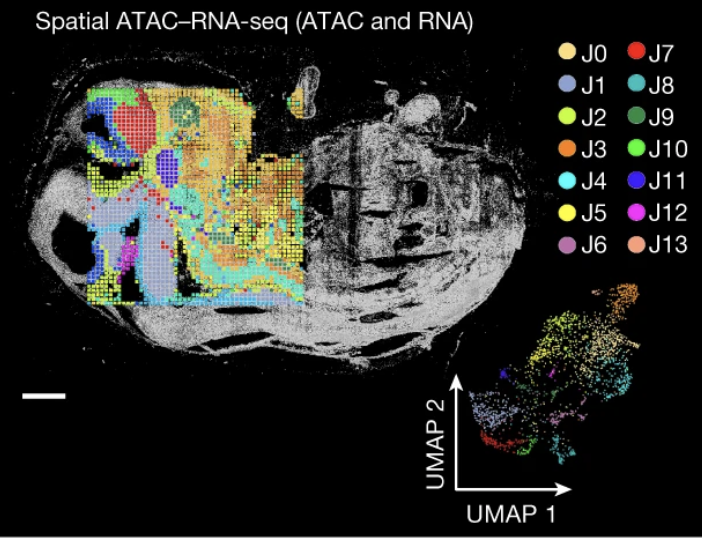
Our collaborative paper with Dr. Rong Fan at Yale University is now published in Nature. We present two technologies for spatially resolved, genome-wide, joint profiling of the epigenome and transcriptome by co-sequencing chromatin accessibility/histone modification and gene expression on the same tissue section at near-single-cell resolution.
Welcome PhD student, Zhicong (Leon) Liao, rotating in our lab!
Dr. Feifei Yuan joined our lab as a new postdoctoral fellow. Welcome!
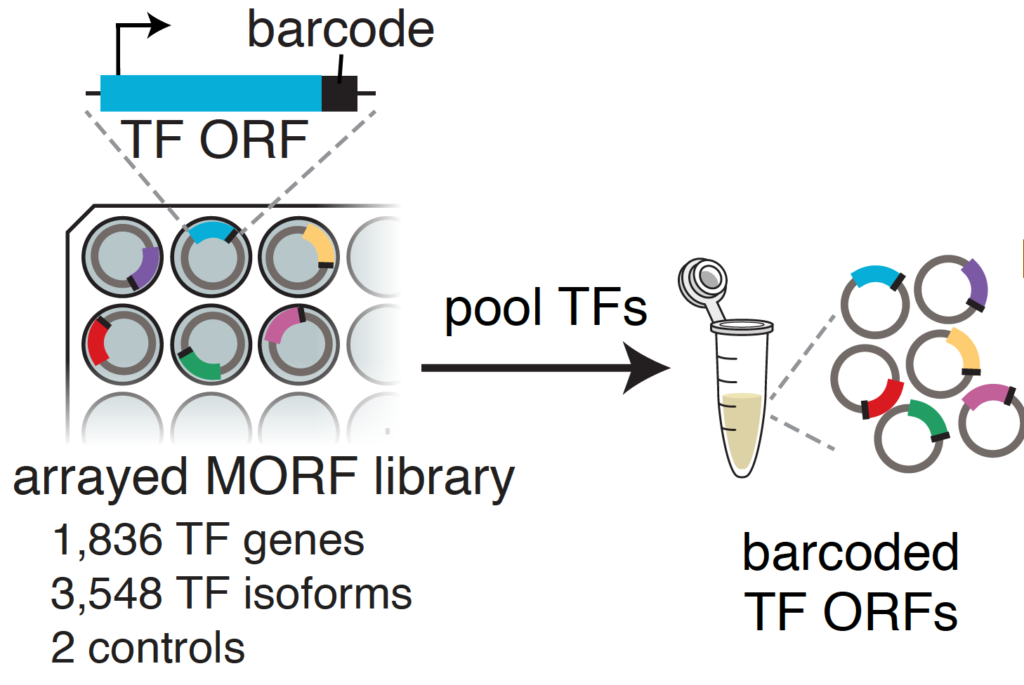
Our collaboration with Feng Zhang’s group at Broad Institute is now published in Cell. We massively screened every single TF in hESC differentiation by combining SHARE-seq with genetic perturbation and surprisingly found 27% of TF genes could function as master regulators.
Dr. Ma is selected as an Affiliate Member of the New York Genome Center (NYGC).
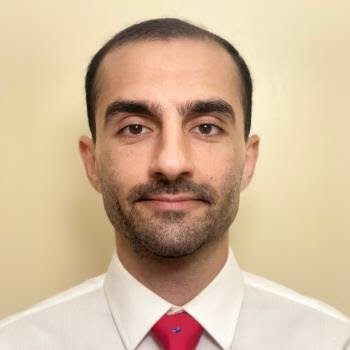
Welcome Nima Assad joining the lab as the first MD/PhD student!
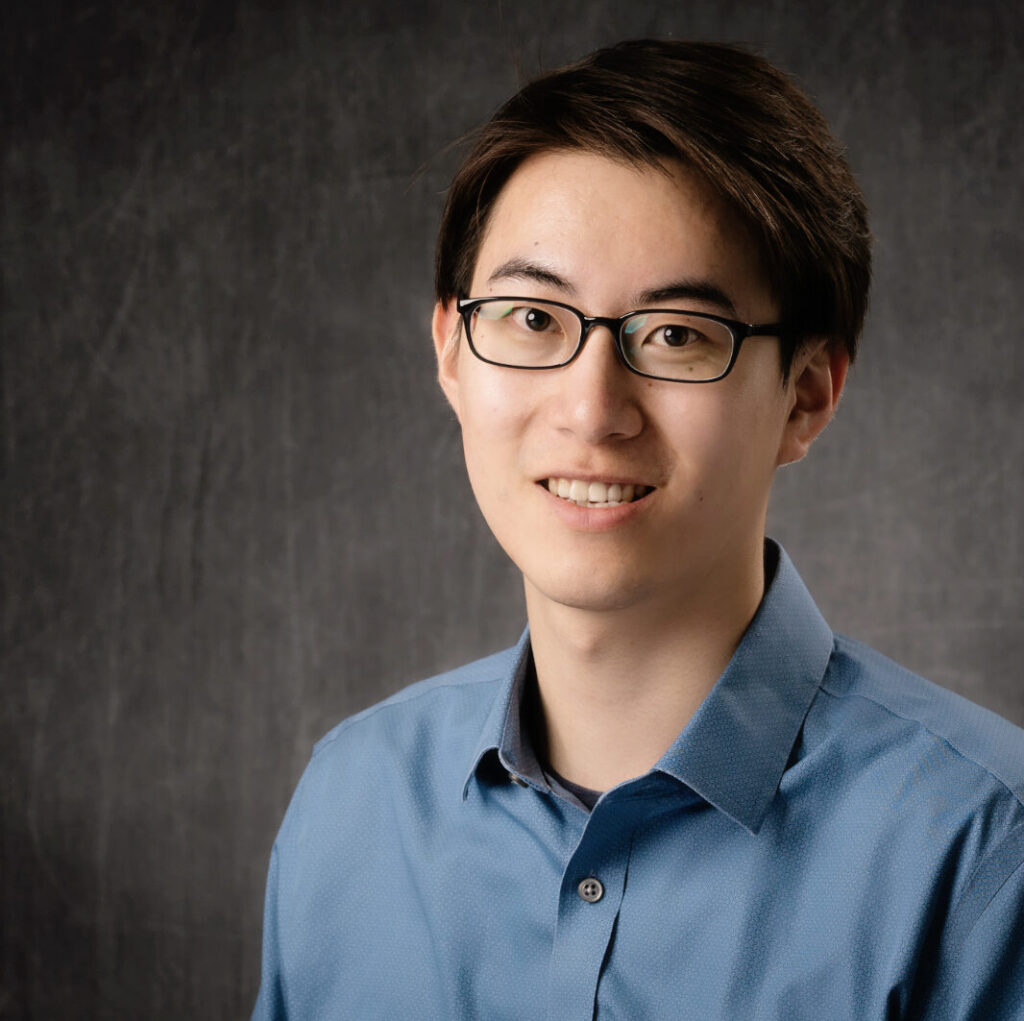
Welcome our first postdoctoral fellow Dr. Bohan Zhu to the lab!
Ma Lab officially opens in the Department of Genetics and Genomic Sciences at Icahn School of Medicine at Mount Sinai! Join us and work on cool science in the heart of Manhattan!
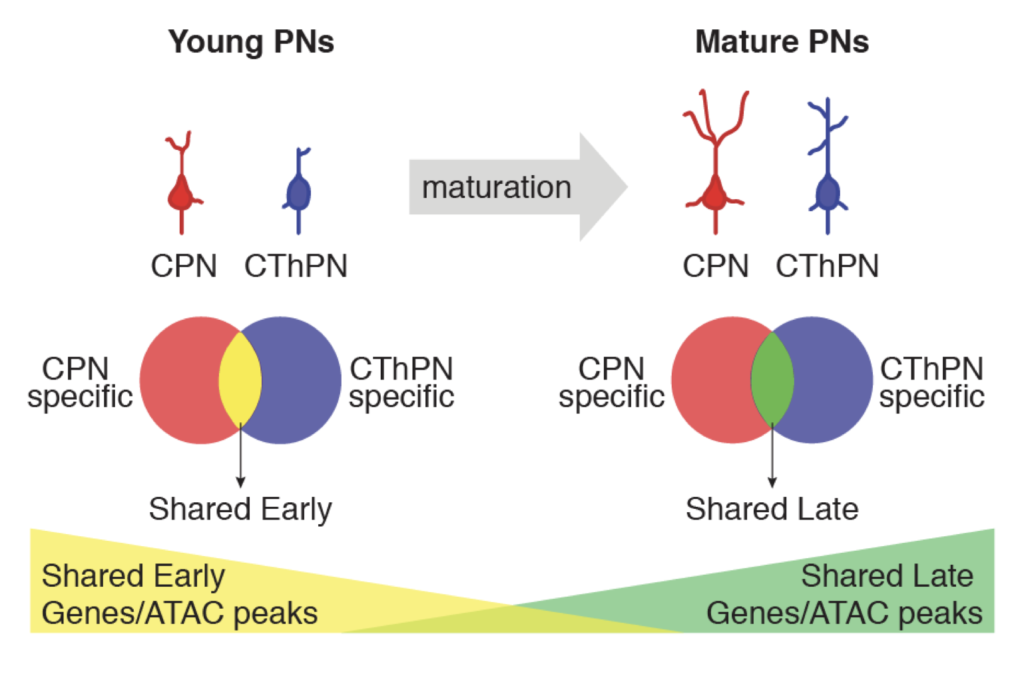
Our collaborative work is published in Nature Neuroscience. We aim to investigate the regulatory strategies in both early post-mitotic and later stages of neurons from mouse and marmoset neocortex.
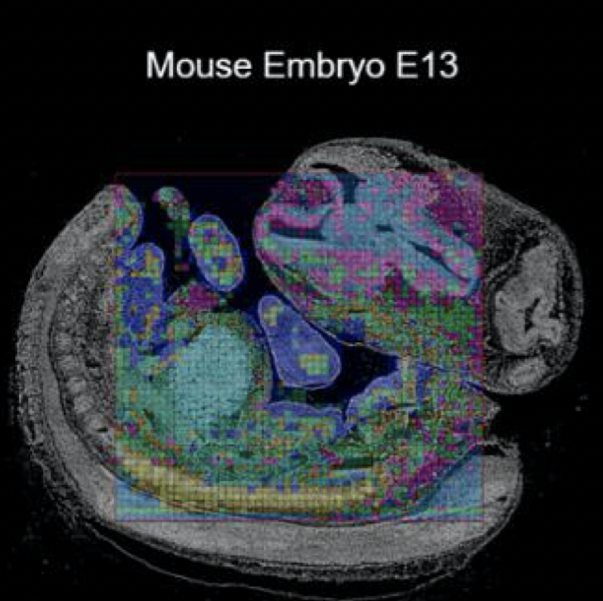
We seek to incorporate spatial information with chromatin accessibility for mapping various tissues! Now accepted in Nature. A collaboration with Dr. Rong Fan’s group at Yale.
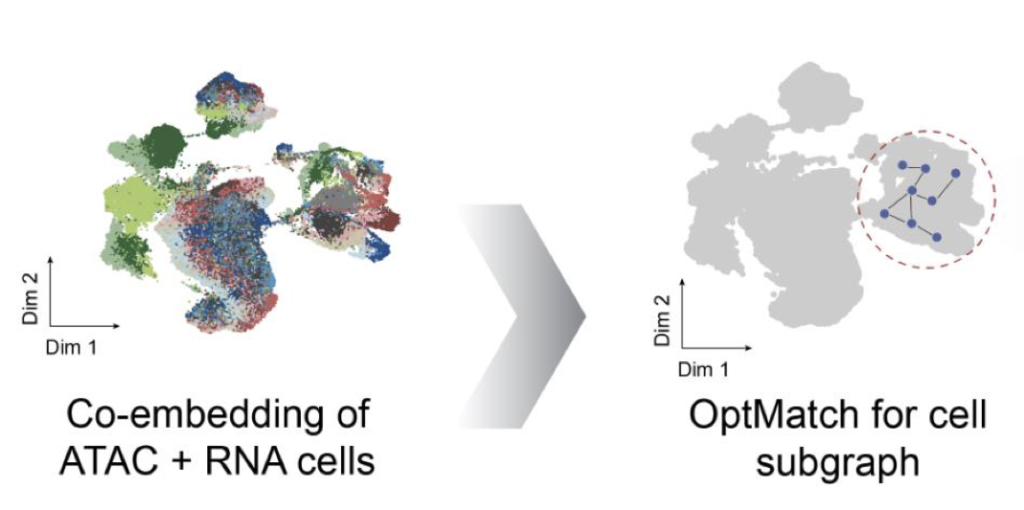
FigR—a very well optimized computational workflow to pair scATAC to scRNA data and infer gene regulation networks for stimulated PBMCs—is now accepted in Cell Genomics. Led by Dr. Vinay Kartha and Dr. Fabiana Duarte.
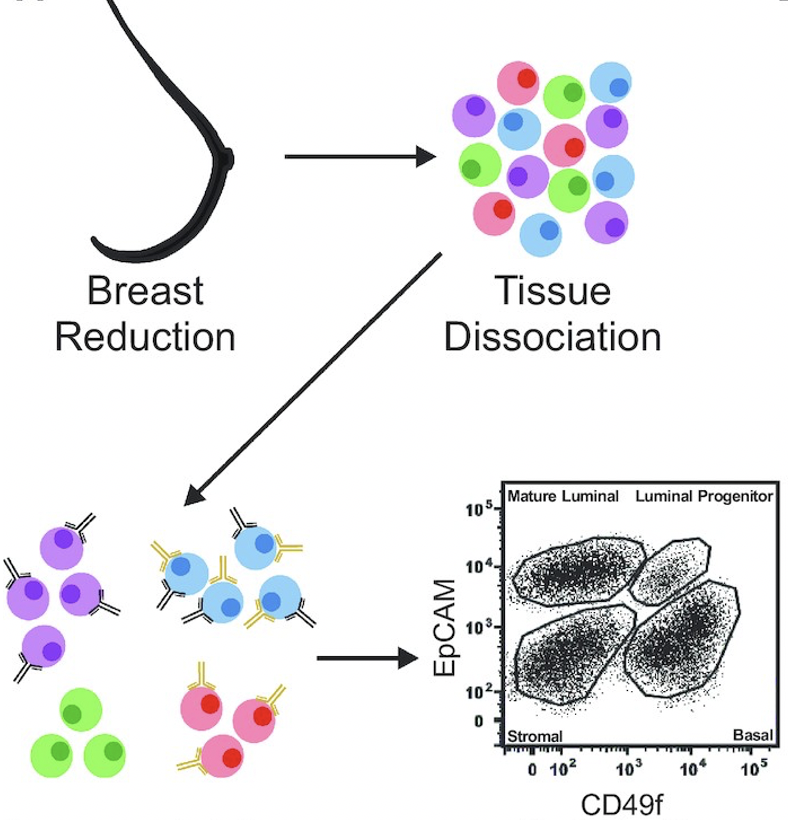
We use a microfluidic approach, MOWChIP-seq, to investigate the cell-type-specific impact of BRCA1 mutation on human breast tissue.
Our work on investigating the loss of Smarca4 that results in highly advanced dedifferentiated tumors is now in Cancer Discovery!
Gata2b-deficient zebrafish recapitulate human GATA2 deficiency syndrome-associated hematopoietic phenotypes. A collaboration with Dr. Len Zon’s group at HMS.
Our optimized sci-ATAC protocol is now available in STAR Protocols. A collaboration with Isabella Del Priore and Lindsay LaFave in Tyler Jacks’ Lab at MIT.
Our work to understand chronic stress that leads to hair loss is in Nature now! A collaboration with Dr. Ya-Chieh Hsu’s group at Harvard, led by Dr. Sekyu Choi.
An interesting story about superenhancer-induced ELF3 activation in trophoblasts is now in PNAS. A collaboration with Dr. Jack L. Strominger’s group at Harvard, led by Dr. Qin Li.
Join Us
We welcome motivated postdoctoral fellows, graduate students and trainees interested in single-cell genomics, epigenetics, computational biology and technology development.

